


Simple at Home Senior Friendly Chair Exercises
- lisa claus
- Jun 8
- 3 min read

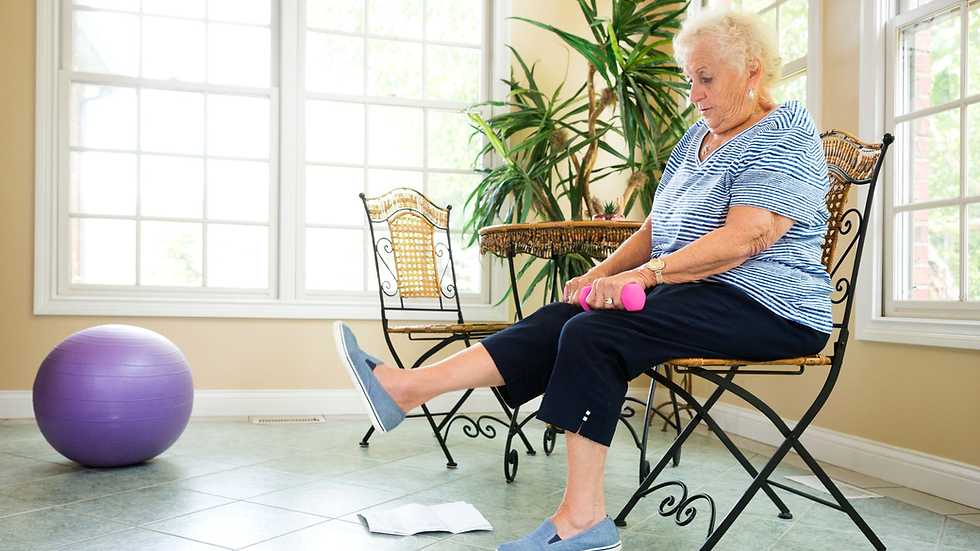
Staying active is key to maintaining health and independence as we age. For many seniors, mobility challenges or balance concerns make traditional exercise difficult or unsafe. Chair exercises offer a practical solution. They provide gentle movement, improve strength and flexibility, and can be done safely at home without special equipment. This post shares simple, senior friendly chair exercises designed to boost wellbeing and keep you moving comfortably.
Why Chair Exercises Matter for Seniors
Physical activity helps reduce the risk of chronic conditions like heart disease, diabetes, and arthritis. It also supports mental health by reducing stress and improving mood. However, many seniors face barriers such as joint pain, limited balance, or fear of falling. Chair exercises address these issues by:
Providing stability and support during movement
Allowing low-impact workouts that protect joints
Enabling exercise for those with limited standing endurance
Encouraging consistent activity with easy-to-follow routines
These exercises can be done daily, helping maintain muscle tone, joint flexibility, and circulation.
Getting Started Safely
Before beginning any new exercise routine, consult with a healthcare provider, especially if you have existing health conditions. Choose a sturdy chair without wheels, preferably with armrests for extra support. Wear comfortable clothing and supportive shoes. Keep water nearby and exercise in a well-lit, clutter-free space.
Start slowly, focusing on smooth, controlled movements. If any exercise causes pain or dizziness, stop immediately and rest.
Upper Body Chair Exercises
Seated Arm Raises
Sit upright with feet flat on the floor.
Extend both arms straight out to the sides at shoulder height.
Slowly raise arms overhead, then lower back to the sides.
Repeat 10 times.
This exercise strengthens shoulder muscles and improves range of motion.
Bicep Curls with Light Weights or Water Bottles
Hold a light weight or water bottle in each hand, arms at your sides.
Bend elbows to bring weights toward shoulders.
Lower slowly back down.
Perform 10 to 15 repetitions.
This builds arm strength, making daily tasks easier.
Shoulder Rolls
Sit tall and relax your shoulders.
Roll shoulders forward in a circular motion 10 times.
Reverse direction and roll backward 10 times.
Shoulder rolls relieve tension and improve flexibility.
Lower Body Chair Exercises
Seated Leg Lifts
Sit with your back straight and feet flat.
Slowly extend one leg straight out, hold for 3 seconds, then lower it back down.
Repeat 10 times per leg.
This strengthens thigh muscles and supports knee health.
Ankle Circles
Lift one foot slightly off the floor.
Rotate your ankle clockwise 10 times, then counterclockwise 10 times.
Switch to the other foot.
Ankle circles improve joint mobility and circulation.
Heel and Toe Taps
Keep feet flat on the floor.
Lift heels while keeping toes down, then lower.
Next, lift toes while keeping heels down, then lower.
Repeat 15 times.
This exercise strengthens lower legs and improves balance.
Core and Balance Chair Exercises
Seated Marching
Sit tall with feet flat.
Lift one knee toward your chest, then lower it.
Alternate legs in a marching motion for 1 to 2 minutes.
This engages core muscles and promotes circulation.
Seated Side Bends
Place hands on your thighs.
Slowly bend your upper body to one side, sliding your hand down your thigh.
Return to center and repeat on the other side.
Do 10 bends per side.
Side bends improve flexibility and strengthen oblique muscles.
Seated Twist
Sit upright with feet flat.
Place your right hand on the outside of your left thigh.
Gently twist your torso to the left, hold for 5 seconds, then return to center.
Repeat on the other side.
Perform 5 twists per side.
This exercise enhances spinal mobility and core strength.
Tips for Making Chair Exercises Part of Your Routine
Set a regular time each day for exercise to build consistency.
Combine exercises with deep breathing for relaxation.
Use a timer or music to keep sessions enjoyable and paced.
Invite a friend or family member to join for motivation.
Track your progress by noting improvements in strength or flexibility.
Even 15 to 20 minutes daily can make a difference in energy levels and mobility.
When to Seek Professional Guidance
If you experience persistent pain, dizziness, or unusual symptoms during exercise, stop and consult a healthcare professional. A physical therapist can tailor exercises to your specific needs and help you progress safely.


Comments